
Chronic migraines are defined by the occurrence of recurrent and intense headaches more than 15 days per month, for at least 3 consecutive months. These attacks can last from a few hours to several days and are often accompanied by nausea, hypersensitivity to light (photophobia) and sound (phonophobia), as well as profound fatigue.
Chronic migraine is one of the most debilitating neurological conditions, affecting quality of life, productivity, and sleep. When it is resistant to conventional drug treatments, neuromodulator treatment offers an effective and well-tolerated medical alternative.
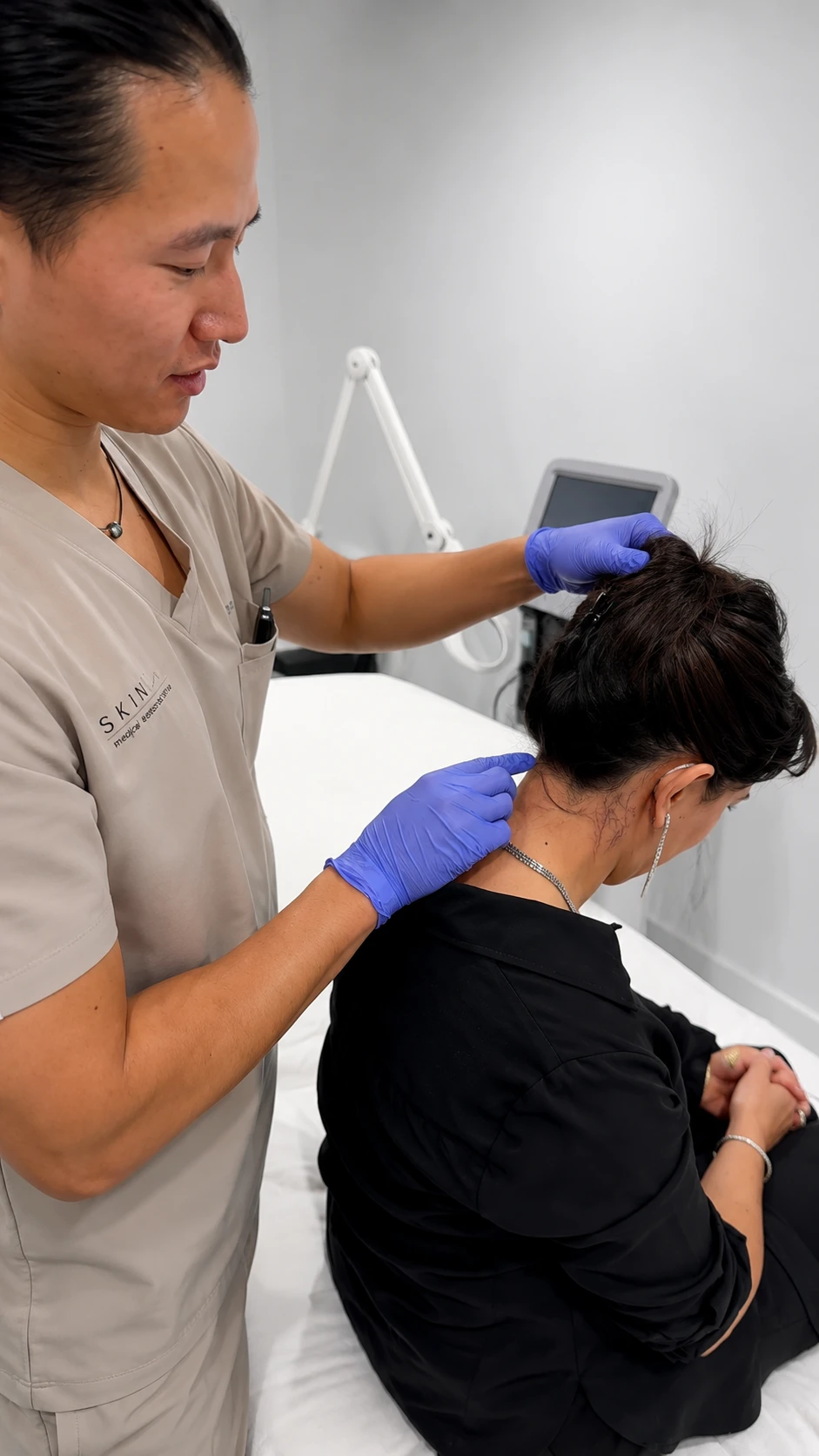
At SkinIn Clinic in Brossard, the neuromodulator treatment protocol for chronic migraines is performed by a qualified professional, using a medical, preventive, and personalized approach.
Stress and cervical and cranial muscle tension, the most frequent factors
Hormonal disorders: fluctuations during menopause or the menstrual cycle
Lack or excess of sleep, accumulated fatigue
Diet: alcohol (red wine), caffeine, tyramine (aged cheeses, cured meats)
Neurological factors: hypersensitivity of cranial nerves, trigeminal nerve activation
Prolonged posture, screen work, tension in the trapezius and neck
Maintain a regular sleep routine, going to bed and waking up at the same times
Identify and avoid personal triggers by keeping a migraine diary
Practice relaxation techniques: heart coherence, meditation, cervical stretches
Stay adequately hydrated throughout the day and maintain stable blood sugar levels
Consult a healthcare professional for a complete assessment and tailored treatment
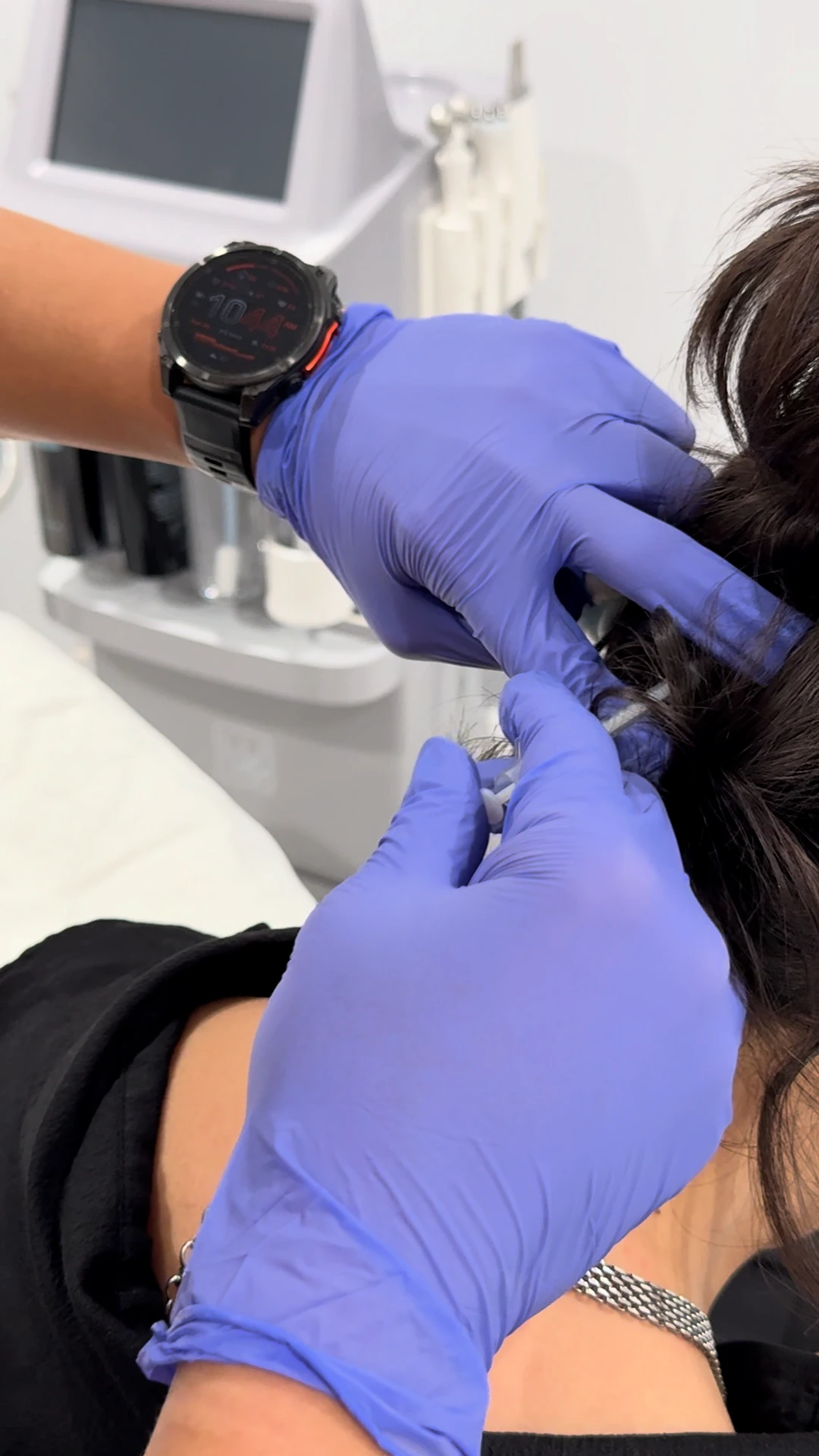
Neuromodulator treatment is medically approved for the prevention of chronic migraines. The neuromodulating agent acts on nerve endings to decrease the release of pain-causing neurotransmitters and relaxes tension-causing muscles. Treatment Principle:
Precise injections into the muscle areas of the forehead, temples, scalp, occiput, neck, and trapezius
Blocks pain transmission at cranial nerve endings
Progressive effect: noticeable improvement from 2 to 3 weeks, with a significant reduction in attack frequency
Benefits:
50% or greater reduction in migraine frequency for the majority of patients
Decreased intensity of attacks and analgesic consumption
Reduced neck and forehead tension
Improved sleep and daily comfort
No downtime
Maintenance: 1 session every 3 to 4 months.


Post-treatment to soothe affected areas
Therapeutic cervical massage
Progressive muscle relaxation
© 2026 All rights reserved to Clinique Skin In
Confidentiality policy
Terms and Conditions
Created by Rusé. | creative agency